The Evolution of Motorcycle Engines Through the Years
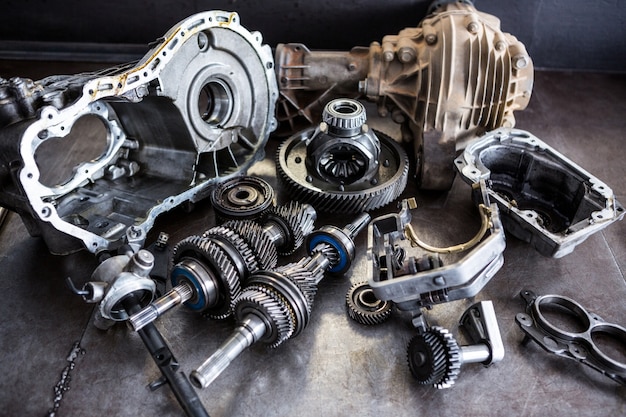
Motorcycles have come a long way since their humble beginnings. From early steam-powered prototypes to modern high-performance machines, the evolution motorcycle engines is a testament to human ingenuity and mechanical innovation. Understanding this journey not only deepens your appreciation for motorcycles but also provides insight into the technological leaps that shape today’s rides.
1. The Dawn of Motorcycle Engines
The motorcycle’s story began in the late 19th century. The first motorcycles were little more than bicycles fitted with rudimentary combustion engines. Pioneers like Gottlieb Daimler and Wilhelm Maybach introduced the world’s first gasoline-powered motorcycle in 1885. This early design laid the foundation for the history of bike engines.
These early engines were simple, single-cylinder machines with limited horsepower. Riders had to rely on manual oiling and basic mechanical systems, making maintenance an art form. Yet, despite their simplicity, these engines sparked a global fascination with two-wheeled transport.
2. The Rise of Multi-Cylinder Engines
By the 1920s, motorcycle manufacturers began pushing the boundaries of power and efficiency. Companies like Harley-Davidson and Indian introduced V-twin engines, offering greater torque and smoother rides. Meanwhile, European brands like BMW pioneered flat-twin designs, which became renowned for their reliability.
This period marked a significant leap in motorcycle engine development. Engine capacities grew, and multi-cylinder configurations allowed for increased performance. Riders could now travel longer distances at higher speeds, transforming motorcycles from basic transport to thrilling machines of freedom.
3. Post-War Innovation and Performance
The aftermath of World War II saw an explosion in motorcycle popularity. With the economy rebounding, manufacturers sought to cater to a new generation of thrill-seekers. British companies like Triumph and Norton led the charge with parallel-twin engines, delivering a blend of power and agility.
Meanwhile, Japanese manufacturers entered the fray. Honda’s groundbreaking CB750, released in 1969, featured an inline-four engine that revolutionized the industry. This era introduced advanced lubrication systems, overhead camshafts, and improved fuel delivery—hallmarks of modern advancements in bike motors.
4. The Era of High-Performance Engines
The 1980s and 1990s ushered in a golden age of performance. Turbocharged motorcycles like the Kawasaki GPz750 demonstrated the potential of forced induction. Meanwhile, brands like Yamaha and Suzuki developed liquid-cooled engines, enhancing thermal efficiency and longevity.
During this time, the sportbike segment boomed. High-revving, four-stroke engines became standard, and technologies from the racetrack filtered into consumer models. The pursuit of power, speed, and precision became a defining characteristic of the evolution motorcycle engines.
5. Modern Marvels: The Future of Motorcycle Engines
Today’s motorcycle engines are marvels of engineering. Fuel injection systems have replaced carburetors, offering better fuel efficiency and smoother throttle response. Electronic aids like ride-by-wire, traction control, and engine mapping allow for customizable riding experiences.
Manufacturers now balance performance with environmental responsibility. Hybrid motorcycles and electric powertrains, like Harley-Davidson’s LiveWire, showcase the next frontier in motorcycle engine development. These innovations promise a cleaner, quieter future while preserving the thrill of the ride.
6. Key Technological Milestones
The journey of motorcycle engines is marked by groundbreaking advancements. Some pivotal milestones include:
- Overhead Camshafts (OHC) – Increased engine efficiency and higher rev limits.
- Fuel Injection – Improved fuel delivery and reduced emissions.
- Turbocharging – Enhanced power output without significant weight gains.
- Variable Valve Timing (VVT) – Optimized performance across the rev range.
These innovations continue to redefine the advancements in bike motors, pushing the limits of what motorcycles can achieve.
7. What Lies Ahead for Motorcycle Engines?
The future holds exciting possibilities. Electric motorcycles are gaining traction, offering zero-emission alternatives with impressive torque figures. Hydrogen fuel cells may emerge as a viable option, combining clean energy with long-range capabilities.
As technology advances, so too will the art of motorcycle engineering. The evolution motorcycle engines is far from over—new horizons await, and the ride promises to be more exhilarating than ever.
Final Thoughts: Embracing the Legacy
From primitive single-cylinder machines to cutting-edge electric powertrains, the history of bike engines is a testament to relentless innovation. Each era has brought new challenges and breakthroughs, shaping the motorcycles we know and love today.
As riders, we’re not just passengers on this journey—we’re part of a living legacy. Embrace the past, ride the present, and anticipate the future, because the world of motorcycle engine development is only just warming up. Whether you’re a seasoned enthusiast or a curious newcomer, there’s never been a better time to appreciate the advancements in bike motors and the thrilling road ahead.