How Fast Lane Drive Connects Car Club Culture With Giving Back
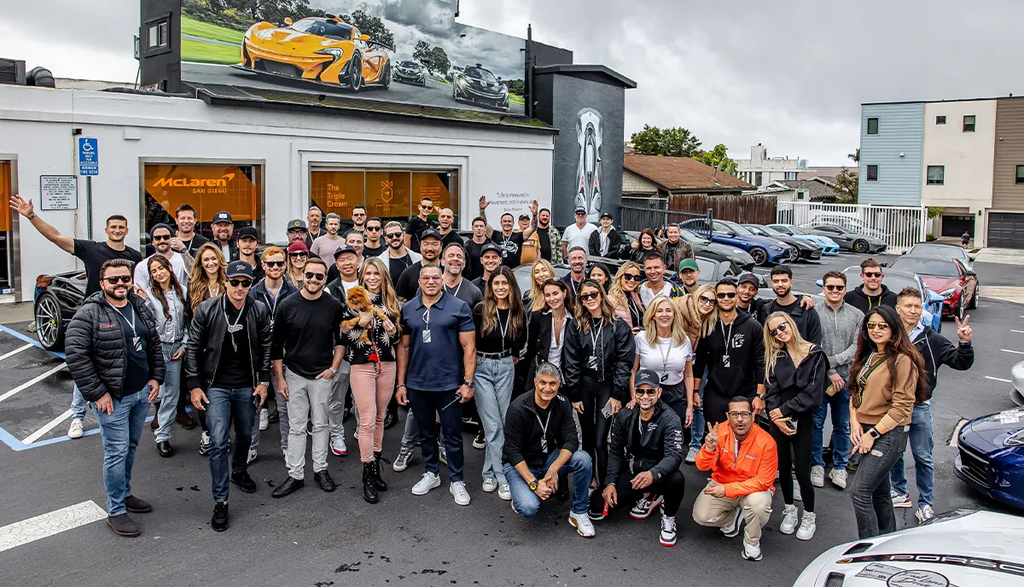
An exotic car gathering naturally attracts attention. Distinctive design, unusual colors, and the presence of cars people rarely see together make the occasion interesting even to someone outside the automotive world. That attention can also serve a charitable purpose. A gathering gives people a reason to show up, a shared interest to organize around, and an opportunity to learn about a cause. When the beneficiary stays central to the occasion, automotive enthusiasm can become a useful starting point for giving. Fast Lane Drive includes philanthropy among its core values. Its charitable activity adds another dimension to what membership in a car club can mean.
Connect the occasion to a specific cause
A fundraiser is easier to understand when participants know whom it supports and why the work matters. Fast Lane Drive’s philanthropy page identifies organizations including Voices for Children, the Leukemia & Lymphoma Society, the CHP 11-99 Foundation, and Childhelp. The range reflects needs that extend well beyond the automotive community, from support for children to assistance connected with health and first responders.
Specificity gives the event a purpose beyond attendance. Members can learn about a beneficiary, understand its work, and decide how they want to contribute. The club becomes a point of introduction between people with a shared hobby and organizations serving broader needs.
Bring more than a donation
Money is one form of support. Time, knowledge, introductions, and visibility can also be useful when they meet an organization’s actual needs. A member might know a suitable venue, be able to introduce a potential supporter, or have experience organizing an event. Another may prefer to contribute quietly. A well considered charitable occasion gives people meaningful ways to participate without assuming everyone will contribute in the same way.
The opportunity is especially interesting in a community whose members have varied professional backgrounds. Different skills can help an initiative develop, provided the beneficiary’s priorities guide the work.
Let local involvement make the cause tangible
A local cause can make philanthropy easier to connect with personally. Members may recognize the community being served or be able to meet the people carrying out the work. That proximity can encourage interest beyond a single evening. A participant who learns something meaningful at an event may choose to stay involved independently. The most useful outcome may occur after the club gathering is over.
In its profile of Fast Lane Drive, Haute Living reported fundraising by the Arizona community for Childhelp, Make-A-Wish Arizona, and Future for Kids. These examples illustrate how automotive communities can direct their collective attention toward identifiable local needs.
Make the event enjoyable and the purpose clear
A charitable occasion can be social, memorable, and purposeful at the same time. Enjoyment helps bring people together; clarity helps them understand why their participation matters. For any car club charity event, useful communication includes the beneficiary, how contributions will be handled, and what participants can expect. Afterward, an update about the result can help maintain the connection.
These are practical ways to give a cause a lasting place in the conversation. The car lineup may draw initial attention, but the charitable work should remain easy to see.
Consider what the community can contribute
A club’s influence is partly a result of its ability to convene people. Bringing members together repeatedly creates opportunities to share ideas, recognize needs, and organize support. Fast Lane Drive’s emphasis on giving back shows how that convening role can sit alongside the pleasure of car ownership. Members can enjoy the vehicles and the social experience while also participating in something that reaches beyond the group. For an enthusiast evaluating a private car club, that combination may be especially meaningful. A shared passion becomes the occasion for connection, and the connection can help direct attention and resources toward others.


