
At What Mileage Does a Motorcycle Go Bad?
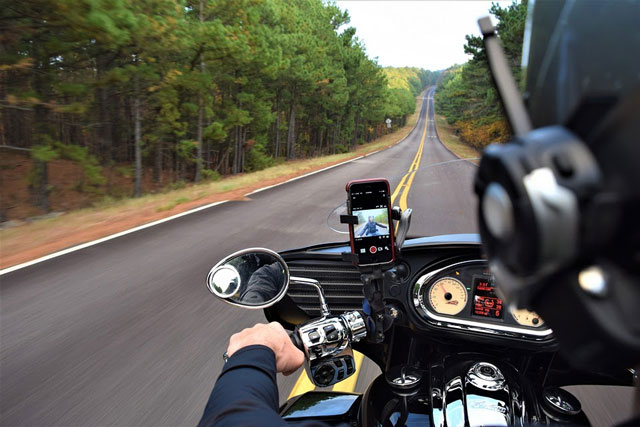
Mileage is one of the first things buyers check when considering a pre-loved motorcycle. Much like cars, motorcycles accumulate wear and tear over time, and high mileage can indicate that a bike may need additional maintenance or repairs. However, when it comes to motorcycles, determining when “high mileage” becomes a concern isn’t always straightforward. The overall condition of a motorcycle depends on several factors, including maintenance history, the type of riding, and the model itself. Here’s a guide to help you understand how mileage affects a motorcycle’s longevity and what to look for in a used bike.
Understanding High Mileage for Motorcycles
High mileage can mean different things depending on the type and make of the motorcycle. In general, a motorcycle is often considered to have high mileage once it surpasses 20,000 to 50,000 miles. However, the specific mileage that causes a motorcycle to “go bad” varies widely based on the following factors:
- Type of Bike: Sports bikes, which tend to be ridden harder and faster, may show signs of wear sooner than cruisers or touring bikes, which are often built for long-distance riding.
- Brand and Model: Some motorcycle brands, such as Honda, Yamaha, and BMW, are known for longevity and reliability, often lasting well beyond 50,000 miles with proper care.
- Maintenance Routine: A well-maintained bike can remain in good condition even with higher mileage. Regular oil changes, timely repairs, and consistent care can make a pre-loved motorcycle with 40,000 miles as reliable as one with 10,000 miles.
Mileage is an essential factor, but it’s not the sole indicator of a motorcycle’s overall health. A high-mileage bike that has been meticulously maintained can outperform a low-mileage bike that was neglected.
Common Mileage Milestones and What They Mean
While every motorcycle ages differently, there are general mileage milestones that many riders experience. These milestones can help you understand what kind of maintenance and repairs to expect as a bike racks up the miles.
1. Up to 10,000 Miles: Almost Like New
Most motorcycles experience minimal wear and tear during their first 10,000 miles. At this stage, regular oil changes and basic maintenance are usually enough to keep the bike in excellent condition. Many riders consider a pre-loved motorcycle with fewer than 10,000 miles as “lightly used,” and it can still offer a long lifespan with routine care.
2. 10,000 to 30,000 Miles: Prime Riding Years
Between 10,000 and 30,000 miles, a motorcycle enters its prime riding years. During this time, the bike may need more frequent maintenance, such as brake replacements, tire changes, and chain adjustments. If well-maintained, however, a bike in this mileage range can offer reliable performance and enjoyable riding experiences for years to come.
3. 30,000 to 50,000 Miles: Aging Gracefully
At 30,000 to 50,000 miles, a motorcycle begins to show signs of age. You may need to replace parts like the suspension, clutch, and possibly the exhaust system. While some may consider this mileage range high, it’s not necessarily a deal-breaker. Many bikes, particularly touring models and larger cruisers, can easily surpass this mileage with good care. A pre-loved motorcycle at this stage is still a viable option if it comes with a detailed maintenance history.
4. 50,000 Miles and Beyond: Well-Worn but Still Reliable
Once a motorcycle crosses the 50,000-mile mark, it’s considered high-mileage by most standards. At this point, major components, such as the engine or transmission, may require repairs or replacements. However, many motorcycles are capable of lasting 75,000 to 100,000 miles or more, especially models from brands known for durability, like BMW or Harley-Davidson. For buyers interested in a high-mileage bike, verifying maintenance records and inspecting the bike thoroughly is essential.
Tips for Evaluating a Pre-Loved Motorcycle
Mileage is just one part of the equation when buying a used motorcycle. Here are some additional factors to consider to ensure you’re getting a bike that will last:
- Maintenance History: Look for a detailed record of oil changes, part replacements, and regular servicing. A well-maintained bike will have records that show consistent care.
- Overall Condition: Check for signs of rust, worn-out parts, and any visible damage. Pay particular attention to the tires, brakes, chain, and engine.
- Previous Use: A motorcycle primarily used for commuting may experience different wear than one used for off-road or racing. Understanding how the bike was used can provide insights into its condition.
- Professional Inspection: If possible, have a mechanic inspect the motorcycle before purchase. A professional can assess parts like the engine and transmission to identify any underlying issues.
Final Thoughts: Finding the Right Pre-Loved Motorcycle
While there’s no exact mileage at which a motorcycle “goes bad,” understanding mileage milestones and their impact on a bike’s condition can help you make a more informed decision. A pre-loved motorcycle with high mileage can still be a great investment if it has been well-maintained and carefully ridden. Ultimately, finding a reliable bike comes down to looking beyond the odometer and evaluating the bike’s history, condition, and maintenance.
With the right care, motorcycles can continue to perform well for decades, making it possible to enjoy the freedom of the open road on a bike that’s already lived a few adventures.