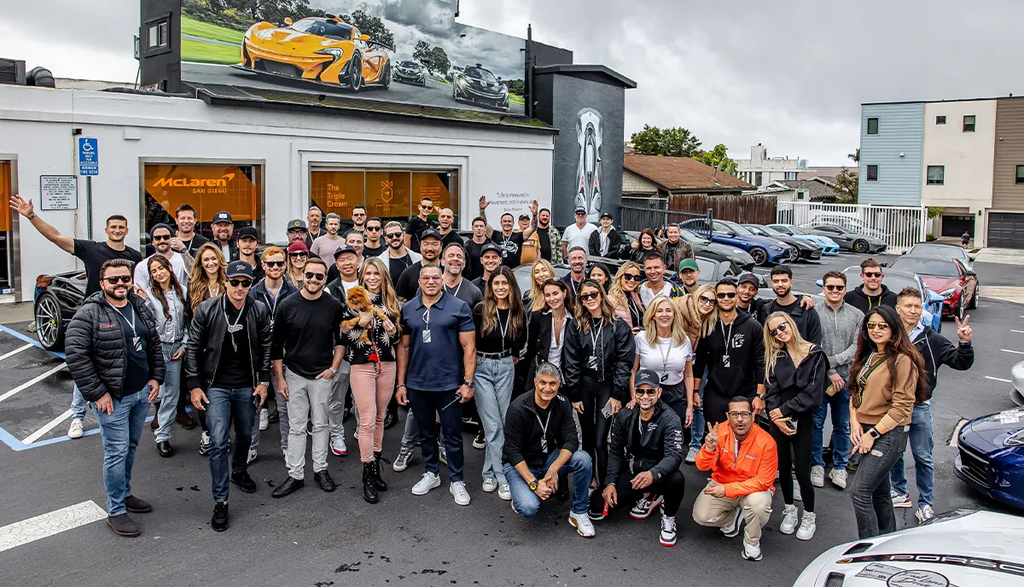
Revving Up: The Pulse of Racing’s Next Big Wave

Revving Up: The Pulse of Racing’s Next Big Wave
Racing is not just a sport; it’s a symphony of speed, strategy, and spectacle. As the world hurtles toward a future where technology and tradition collide, the racing industry stands on the precipice of a revolution. From electric powertrains humming with silent efficiency to autonomous vehicles rewriting the rules of competition, the next big wave in racing is more than just a trend—it’s a tidal shift. For fans, drivers, and innovators alike, this is an era of unparalleled opportunity and challenge. So, what exactly is propelling racing into this bold new chapter? Let’s break it down.
The Electrifying Rise of E-Power
The roar of combustion engines is giving way to the whir of electric motors, and racing is at the forefront of this transformation. Formula E, the all-electric racing series, has become the proving ground for next-gen automotive technology, proving that speed and sustainability aren’t mutually exclusive. With manufacturers like Porsche, Mercedes, and Jaguar investing heavily, the shift to electric isn’t just about reducing emissions—it’s about redefining performance.
Key drivers of this electrification wave include:
- Battery Innovation: Lighter, more efficient batteries are extending race durations and enabling faster charging, which is critical for endurance events.
- Regenerative Braking: This technology not only improves efficiency but also adds a strategic layer to racing, where drivers must balance energy recovery with outright speed.
- Fan Engagement: Electric racing offers a quieter, more accessible experience, with enhanced audio-visual feed that brings fans closer to the action than ever before.
As governments worldwide push for stricter emissions regulations, racing’s embrace of electric power ensures its relevance in an eco-conscious future.
Autonomous Racing: Where Machines Take the Wheel
The idea of driverless cars competing at breakneck speeds might sound like science fiction, but autonomous racing is already a reality. The Roborace series, for instance, pits AI-controlled vehicles against each other in high-speed duels, showcasing the potential of machine learning and robotics. While fully autonomous racing is still in its infancy, the implications are profound:
- Safety: Eliminating human error reduces the risk of accidents, making racing safer for drivers and spectators alike.
- Accessibility: Autonomous racing could democratize the sport, allowing anyone with the right software to enter the fray, regardless of physical ability.
- Technological Spin-offs: Advances in AI and sensor technology developed for racing can be applied to consumer and industrial vehicles, accelerating innovation across the automotive sector.
Though purists may balk at the idea of racing without drivers, the rise of autonomous competition is an inevitable—and exciting—evolution.
The Hybrid Revolution: Bridging the Gap
Not all racing series are ready to go fully electric, and that’s where hybrid technology comes into play. Combining internal combustion engines with electric powertrains, hybrids offer a transitional solution that balances performance and sustainability. The World Endurance Championship (WEC) and the 24 Hours of Le Mans have embraced hybrids, proving that racing can maintain its thrilling edge while reducing its carbon footprint.
The advantages of hybrid racing are clear:
- Performance Boost: Instant torque from electric motors complements the power of traditional engines, delivering exhilarating acceleration.
- Fuel Efficiency: Hybrids consume less fuel than their non-hybrid counterparts, making them ideal for endurance races where refueling stops are critical.
- Fan Appeal: Hybrid racing retains the visceral experience of combustion engines while appealing to environmentally conscious audiences.
As hybrid technology matures, it may serve as a bridge between the old and new eras of racing.
The Rise of Esports in Racing
Digital racing has exploded in popularity, with esports leagues like the Formula 1 Esports Series and iRacing attracting millions of viewers and top-tier talent. The COVID-19 pandemic accelerated this trend, proving that virtual racing could fill the void when physical events were canceled. Today, esports is a permanent fixture in the racing ecosystem, offering unique benefits:
- Global Reach: Fans from around the world can compete and watch races without the constraints of geography.
- Lower Barriers to Entry: Aspiring racers can hone their skills in a cost-effective environment, using simulators that closely mimic real-world conditions.
- Hybrid Events: Traditional racing series now incorporate esports elements, blending physical and digital competition to engage a broader audience.
Esports isn’t just a supplement to racing—it’s a parallel universe that’s reshaping how fans interact with the sport.
The Social Media Effect: Racing in the Digital Age
In today’s hyper-connected world, racing thrives on more than just the track. Social media platforms like Instagram, TikTok, and YouTube have transformed how fans consume and engage with racing content. Drivers like Max Verstappen and Lando Norris have amassed massive followings, turning racing into a multimedia experience that extends far beyond race day.
Key trends in racing’s digital evolution include:
- Behind-the-Scenes Content: Fans crave authenticity, and social media provides a window into the lives of drivers, teams, and the grueling preparation behind each race.
- Interactive Fan Experiences: Live streams, Q&As, and virtual pit walks allow fans to feel closer to the action than ever before.
- Influencer Collaborations: Racing teams and sponsors are partnering with influencers to reach younger, more diverse audiences.
The digital landscape is no longer an afterthought—it’s a core component of racing’s future.
The Future of Racing: What’s Next?
As we look ahead, the racing industry is poised for even greater disruption. Here are some of the most exciting developments on the horizon:
Sustainable Fuels
Synthetic fuels, or e-fuels, are emerging as a potential solution for series that can’t transition to full electrification. These carbon-neutral fuels could allow traditional engines to keep roaring while meeting stringent emissions standards.
Flying Cars and eVTOLs
Urban air mobility is no longer confined to sci-fi. Companies like Volocopter and Lilium are developing electric vertical takeoff and landing (eVTOL) vehicles, which could one day take racing to the skies.
AI and Data Analytics
The use of artificial intelligence in race strategy and vehicle development is becoming ubiquitous. Teams are leveraging big data to optimize performance, predict outcomes, and even train AI drivers.
Fan-Centric Innovations
From augmented reality (AR) experiences to personalized race-day apps, technology is being used to tailor the fan experience like never before. Imagine watching a race through your AR glasses, with real-time stats and driver insights overlaid on your field of vision.
Conclusion: A New Era of Racing Awaits
The next big wave in racing isn’t just about speed—it’s about reinvention. Whether through electrification, autonomy, or digital transformation, the sport is evolving at a pace that mirrors the technological advancements of our time. For fans, this means more thrilling races, deeper engagement, and a front-row seat to the future of mobility. For drivers and teams, it’s a chance to push the boundaries of what’s possible. And for the industry as a whole, it’s an opportunity to prove that racing can be both cutting-edge and sustainable.
The starting lights are glowing. The engines are warming up. The next chapter of racing is about to begin—are you ready to rev up?